

In today’s competitive startup ecosystem, having a great idea is not enough. Investors don’t just fund ideas—they fund numbers, strategy, and clarity. This is where financial modeling for startups becomes critical.
A well-structured investor ready financial model helps you clearly communicate your business potential, expected growth, and profitability. Whether you’re pitching to angel investors, VCs, or banks, your financial model can make or break your funding chances.
In this guide, we’ll walk you through how to create startup financial projections that actually impress investors and help you secure funding.
What is Financial Modeling for Startups?

Financial modeling for startups is the process of building a structured financial plan that represents your business’s future performance.
It typically includes:
- Revenue forecasts
- Cost structure
- Profit and loss projections
- Cash flow analysis
- Break-even analysis
An investor ready financial model is not just about numbers—it tells the story of how your startup will grow and generate returns.
Why Startups Need an Investor Ready Financial Model
Many founders underestimate how important financial modeling is. But investors rely heavily on your startup financial projections to evaluate risk and returns.
Here’s why it matters:
1. Builds Investor Confidence
Investors want clarity. A strong financial model shows you understand your business financially.
2. Helps in Fundraising
Without a proper investor ready financial model, your pitch remains incomplete.
3. Guides Decision Making
Financial modeling helps founders make smarter decisions regarding pricing, hiring, and scaling.
4. Identifies Risks Early
It highlights potential losses, cash shortages, and unrealistic assumptions.
Key Components of Startup Financial Projections
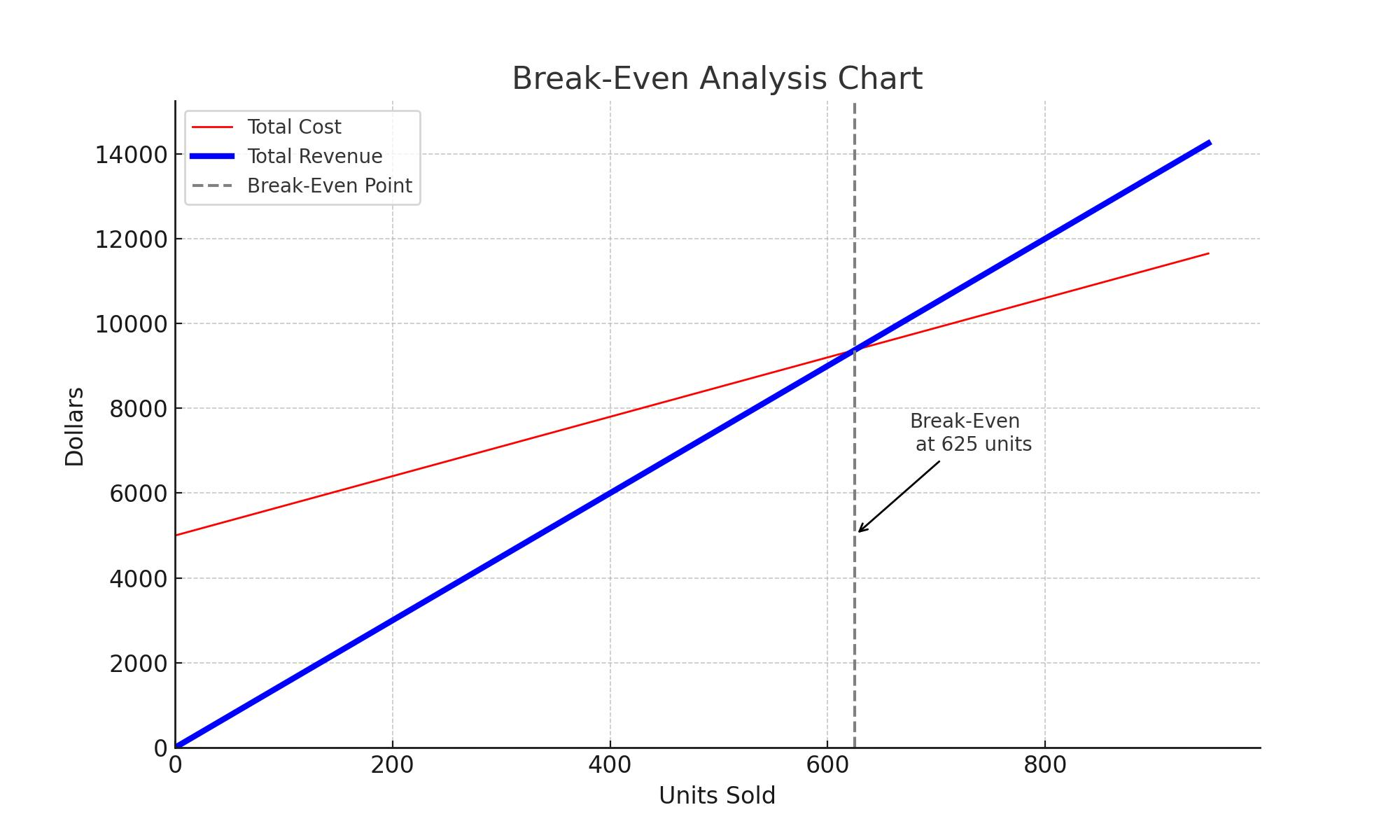
To build effective startup financial projections, your model must include the following components:
1. Revenue Forecasting
Estimate how your startup will generate income:
- Sales volume
- Pricing strategy
- Customer acquisition
Tip: Use realistic assumptions backed by market research.
2. Cost Structure
Include:
- Fixed costs (rent, salaries)
- Variable costs (marketing, production)
Understanding costs is crucial for building a reliable investor ready financial model.
3. Profit & Loss Statement (P&L)
This shows:
- Revenue
- Expenses
- Net profit
Investors analyze this to evaluate profitability potential.
4. Cash Flow Projection
Cash flow is critical for survival.
Even profitable startups can fail due to poor cash flow management. Your startup financial projections must clearly show:
- Cash inflows
- Cash outflows
- Closing balance
5. Break-Even Analysis
This determines when your startup will start making profits.
It answers a key investor question:
“When will this business become profitable?”
How to Build a Financial Model for Startups (Step-by-Step)

Step 1: Define Your Business Model
Clearly outline:
- Revenue streams
- Target market
- Pricing strategy
Step 2: Build Assumptions Sheet
Your model should be driven by assumptions like:
- Customer growth rate
- Conversion rate
- Marketing costs
Investors often check assumptions more than numbers.
Step 3: Create Revenue Projections
Estimate monthly or yearly revenue based on:
- Number of customers
- Average order value
Step 4: Estimate Expenses
Include all operational and growth-related expenses.
Step 5: Develop Financial Statements
Prepare:
- P&L statement
- Cash flow statement
- Balance sheet (optional but recommended)
Step 6: Add Scenario Analysis
Create:
- Best case
- Worst case
- Realistic case
This strengthens your investor ready financial model.
Common Mistakes in Startup Financial Modeling

Avoid these mistakes to ensure your startup financial projections are credible:
- ❌ Unrealistic revenue assumptions
- ❌ Ignoring expenses
- ❌ No cash flow planning
- ❌ Lack of market validation
- ❌ Overcomplicated models
Keep your model simple, logical, and realistic.
What Investors Look for in Startup Financial Projections

To make your financial modeling for startups stand out, focus on:
✔ Realistic Assumptions
Back your numbers with data.
✔ Clear Growth Strategy
Show how you will scale revenue.
✔ Profitability Timeline
Explain when you will break even.
✔ Strong Unit Economics
Highlight customer acquisition cost (CAC) vs lifetime value (LTV).
How Finwiserr Helps Startups Build Investor Ready Financial Models
At Finwiserr, we specialize in creating investor ready financial models tailored to your business goals.
Our services include:
- Financial Modeling & Forecasting
- Startup Financial Projections
- Feasibility Analysis
- Fundraising Support
Whether you’re raising your first round or scaling your startup, our experts help you build models that investors trust.
Final Thoughts
A powerful financial modeling for startups strategy is not just about spreadsheets—it’s about building investor confidence.
Your startup financial projections should clearly communicate:
- Growth potential
- Profitability
- Financial stability
If done correctly, your investor ready financial model can significantly increase your chances of getting funded.
Build Your Investor Ready Financial Model Today
Struggling to create accurate startup financial projections?
Let Finwiserr help you build a professional investor ready financial model that attracts investors and drives growth.
✔ Financial Modeling Experts
✔ Startup-Focused Approach
✔ Data-Driven Projections
Book Your Free Consultation Now: https://fin-wiser.com/contact-us/
FAQs
What is financial modeling for startups?
Financial modeling for startups is the process of creating a structured financial plan that estimates revenue, expenses, cash flow, and profitability. It helps founders understand business performance and present clear numbers to investors.
Why is an investor ready financial model important?
An investor ready financial model is important because it shows potential investors how your startup plans to grow, manage costs, and achieve profitability. It builds credibility and improves your chances of getting funded.
What should startup financial projections include?
Startup financial projections should include revenue forecasts, expense estimates, profit and loss statements, cash flow projections, and break-even analysis. These elements help investors evaluate the business potential.
How far should startup financial projections go?
Most startup financial projections should cover at least 3 to 5 years. This gives investors a realistic view of short-term growth and long-term business potential.
What do investors check in a startup financial model?
Investors usually check revenue assumptions, customer acquisition costs, cash flow, profitability timeline, market opportunity, and whether the projections are realistic and data-backed.
Can startups raise funds without financial modeling?
Startups may pitch without financial modeling, but it becomes much harder to convince investors. A strong financial model helps explain the business opportunity with clarity and confidence.
How can Finwiserr help with financial modeling for startups?
Finwiserr helps startups create investor ready financial models, detailed startup financial projections, feasibility studies, and fundraising support tailored to business goals.